
The Nature of Luck and Chance
Luck is a concept that both intrigues and mystifies people, particularly in the context of gambling. In casinos, many players believe that luck plays a significant role in determining outcomes. However, luck is often misunderstood. It is not merely a random twist of fate; instead, it involves an intricate dance between chance and skill. Some games, like slots, rely heavily on chance, while others, such as poker, are influenced by a player’s decisions. Players who want to explore their options might want to consider the best non gamstop casino experience, as this duality raises questions about whether luck can single-handedly determine a player’s success in a casino.
In many games, the aspect of luck is tied to random number generators or card shuffles, which creates unpredictable outcomes. For example, when spinning the reels on a slot machine, a player has no control over the results. This reinforces the belief that luck is the primary factor at play. However, in games like blackjack or poker, players can employ strategy and skill to improve their chances of winning. Here, the interplay of luck and skill becomes more apparent. While luck may provide a temporary advantage, sustained success often requires a deeper understanding of the game mechanics.
Moreover, perceptions of luck can vary significantly among players. Some may consider themselves “lucky” after a big win, while others may attribute their losses to bad luck. This subjective interpretation can influence a player’s approach to future games. Ultimately, luck does contribute to the overall casino experience, but it operates within a broader context of strategy, knowledge, and psychological resilience, making it a more complex factor than it appears at first glance.
The Role of Probability in Casino Games
Understanding probability is crucial for anyone looking to navigate the world of casinos effectively. Every game offers a specific set of odds that players must grasp to inform their strategies. For instance, in roulette, the probability of the ball landing on a specific number can be calculated, helping players make informed betting decisions. This mathematical approach contrasts sharply with the notion of pure luck, emphasizing that while luck may impact a single round, probability governs the long-term outcomes.
In games like baccarat and craps, players often rely on betting systems that are based on probabilities rather than luck alone. These systems aim to minimize loss and maximize returns by identifying patterns and trends in the games. However, even the most sophisticated strategies cannot completely eliminate the element of chance. Casinos are designed with a house edge, ensuring that in the long run, the odds are always slightly in favor of the house. Thus, while luck can sway individual results, it is the understanding of probabilities that can lead to more informed decisions.
Moreover, knowledge of probability can help players manage their bankroll more effectively. By understanding the risks associated with different bets, they can allocate their funds in a way that maximizes their enjoyment while minimizing the potential for significant losses. In essence, while luck plays a role in the fleeting moments of gambling, a solid grounding in probability offers players a pathway to extending their playtime and enhancing their overall experience in the casino environment.
The Psychological Effects of Luck on Players
The psychological dimension of luck in casinos is a fascinating aspect that influences player behavior significantly. Players often develop a relationship with luck, attributing their wins or losses to external forces beyond their control. This mindset can lead to a phenomenon known as “gambler’s fallacy,” where individuals believe that past outcomes can influence future results. For instance, after a losing streak, some players might feel that they are “due” for a win, leading them to wager more aggressively.
Additionally, the thrill of chance can evoke strong emotions that further complicate a player’s decision-making process. The excitement of a near-win can create a dopamine rush that reinforces continued participation, regardless of the actual odds. This emotional response can skew a player’s perception of luck, making them feel more fortunate than they objectively are. The cyclical nature of this experience can lead to both increased gambling behavior and a distorted view of their abilities.
Moreover, casinos leverage this psychological relationship with luck through their design and atmosphere. Bright lights, celebratory sounds of winnings, and the overall ambiance create a sense of euphoria that can lead to prolonged gameplay. Players often leave feeling lucky, even if their overall results suggest otherwise. This connection between luck and emotional gratification is a powerful tool that casinos use to keep players engaged, blurring the lines between skill, luck, and emotional fulfillment.
Strategies to Enhance Your Casino Experience
While it’s essential to acknowledge the role of luck in casino games, players can adopt various strategies to improve their experience and outcomes. One effective method is to set clear objectives and limits. Before stepping onto the casino floor, establishing a budget can help players enjoy their time without succumbing to emotional betting triggered by the thrill of luck. Knowing when to walk away is equally critical. This self-discipline can guard against the psychological high often associated with winning, which can lead to overextending one’s stay at the gaming tables.
Additionally, players should seek to understand the rules and nuances of the games they choose. A well-informed player is more likely to make strategic decisions that maximize their chances, thus allowing them to leverage their skill alongside the element of luck. Many casinos offer free practice options for slot games and tutorials for table games, enabling players to refine their skills without financial risk. This preparation can enhance confidence and steadiness, which are vital in the unpredictable environment of a casino.
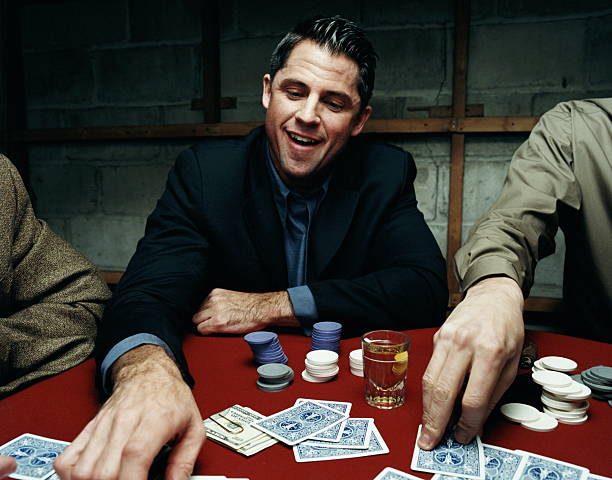
Furthermore, engaging in games that require skill rather than pure luck can lead to a more fulfilling experience. Games such as poker, where strategy plays a significant role, can provide a sense of mastery and control. This understanding can make wins feel earned rather than merely fortunate, enriching the overall experience of players. By blending strategy with the acceptance of luck, individuals can navigate the casino landscape more effectively and enjoy the thrill responsibly.
Where to Find More Insights
For those seeking a deeper understanding of the interplay between luck, strategy, and the casino experience, numerous resources are available. Websites dedicated to gambling education offer insights into mathematical strategies, game rules, and psychological aspects that shape player behavior. These platforms provide articles, videos, and community forums where enthusiasts can share experiences and tips, making it easier to learn from others while enhancing one’s own gameplay.
Additionally, many casinos offer loyalty programs and workshops that can further enrich a player’s knowledge. Participating in these educational opportunities can lead to a more profound appreciation of games and the various factors that contribute to success. By staying informed and engaged, players can cultivate a more strategic approach to their casino adventures, balancing the unpredictable nature of luck with informed decision-making.
In conclusion, while luck undeniably influences the outcomes at the casino, it operates alongside skill, probability, and psychology. By understanding these elements and integrating them into their approach, players can enhance their experiences and make more informed choices. Embracing both luck and strategy can lead to a more enjoyable and potentially rewarding gambling experience. Whether you are a novice or a seasoned player, the world of casinos is rich with opportunities for learning and growth.